
I’ve written a short article exploring the world of barefoot-style shoes. If you’ve seen them around or heard the buzz and wondered what they’re all about, you’re not alone. In this piece, I’ll break down what barefoot shoes really are, discuss the benefits and potential risks, and share insights from over a decade of personal experience wearing them.
What are barefoot shoes?
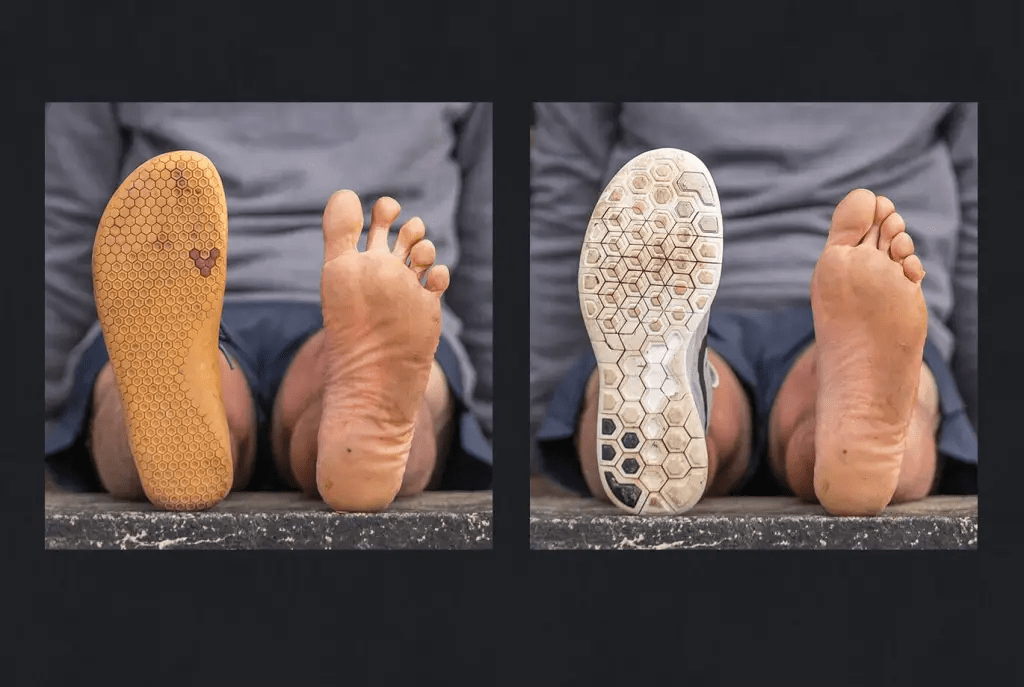
Very simply they have a wider fit around the front of your foot, allowing your toes and foot to spread into a more natural position, Another defining factor of barefoot shoes is the heel to toe drop. Now this is important for several reasons which we will come onto later. But barefoot shoes typically have 0mm heel to toe drop. This means that the cushioning at the front and the back of the shoe are the same thickness. A typical running show has a 12mm difference between the front and the back, as well as most casual shoes demonstrating similar drops. This was done to create more cushioning, more of a rocking motion of the foot when running and walking and also to reduce risk of injury. Barefoot shoes also have no support, at all! This means your foot has to work harder to stabilise your leg and hips, which is the main marketing avenue for these companies. Claiming that everybody’s feet are weak and they must be stronger, I am not sure why everybody needs super strength toes.
Will I reduce the risk of injuries?
Many people claim that barefoot shoes reduce the risk of injury—but that’s simply not true, at least not initially. It will certainly increase the risk of injury, particularly in the first few months of wearing them. When your body and training methods have sufficiently adapted to the new style of running/walking, then you will be at no more or less risk of someone wearing more traditional shoes.
“Many people claim that barefoot shoes reduce the risk of injury—but that’s simply not true”
Many of my patients have shared their positive experiences transitioning to barefoot-style shoes—reporting benefits like reduced back or hip pain and improved balance. That’s fantastic to hear, and I have no reason to doubt their personal accounts. However, it’s important to note that large-scale scientific studies validating these claims are still lacking. That’s why it’s worth asking yourself: What am I hoping to gain from wearing barefoot shoes, and is this a step in the right direction for me?
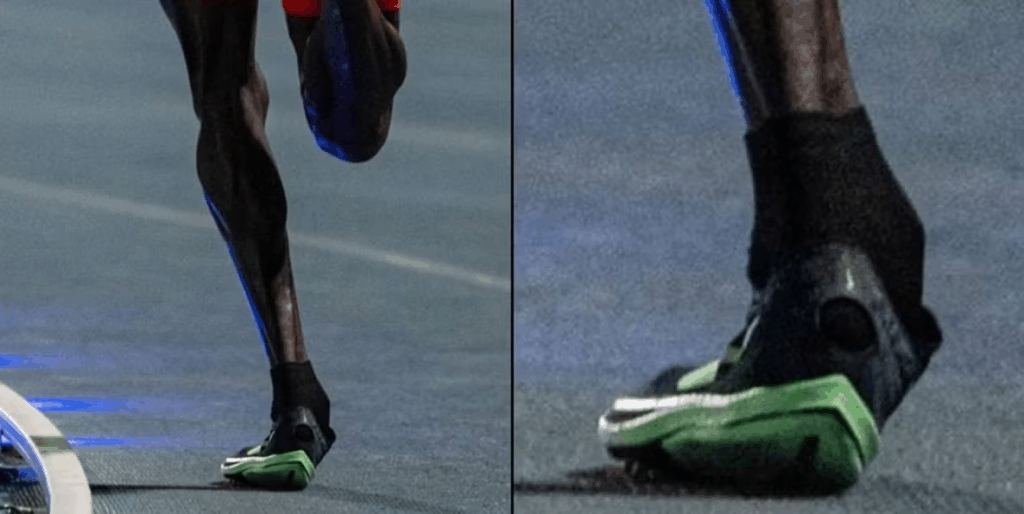
There have however been many large studies indicating that flat feet, pronation (inward rolling of the ankles) and all of the buzzwords used in running shops, and by shoe manufacturers won’t in themselves cause injury. The fastest man in the world over marathon distance is a prime example, huge pronation! Nobody dares try and alter his gait, nobody can catch the man.
My experience in barefoot shoes
Despite what I have said so far, I am a big advocate of barefoot shoes. I wear them everyday and did so, way before they were cool. I have raced to a high level in barefoot shoes, I work out in them, walk around in them, you get the point. But this has not come without its troubles. I have had a longstanding achilles tendinopathy, and a couple of calf tears in the process as well as endless training modifications. This is somewhat to be expected when you place more physical demand on an area of your body, it is forced to adapt and it sometimes struggles.
There are only a few medical conditions that I may suggest for a barefoot style shoe. A bunion for example, trying not to encourage the pressure on the big toe deviating inwards. If you have had multiple injuries and are looking to fix them with barefoot shoes, think again. Your training habits—and what I refer to as your overall condition (including flexibility, agility, coordination, body weight, strength, and lifestyle)—are far more likely to influence your risk of injury than simply changing your footwear.
“I am no stronger or faster in barefoot shoes over more traditional shoes. I am, however, slightly cooler for it.”
What do I gain out of wearing them?
They are by far the most comfortable footwear available in my opinion. I also like a physical challenge, I like to push my body in different directions and watch/hope it adapts. I feel that my body should be used in the way it was intended to be used, and that’s about it. I am no stronger or faster in barefoot shoes over more traditional shoes. But I’ll admit, they do make me feel just a little bit cooler.
I feel more connected with the earth, now I know this sounds a bit fluffy, but certainly cross country walking or running in barefoot shoes is a fantastic experience, if it’s possible for you, then you should definitely try it and feel it for yourself.

Which barefoots should I choose?
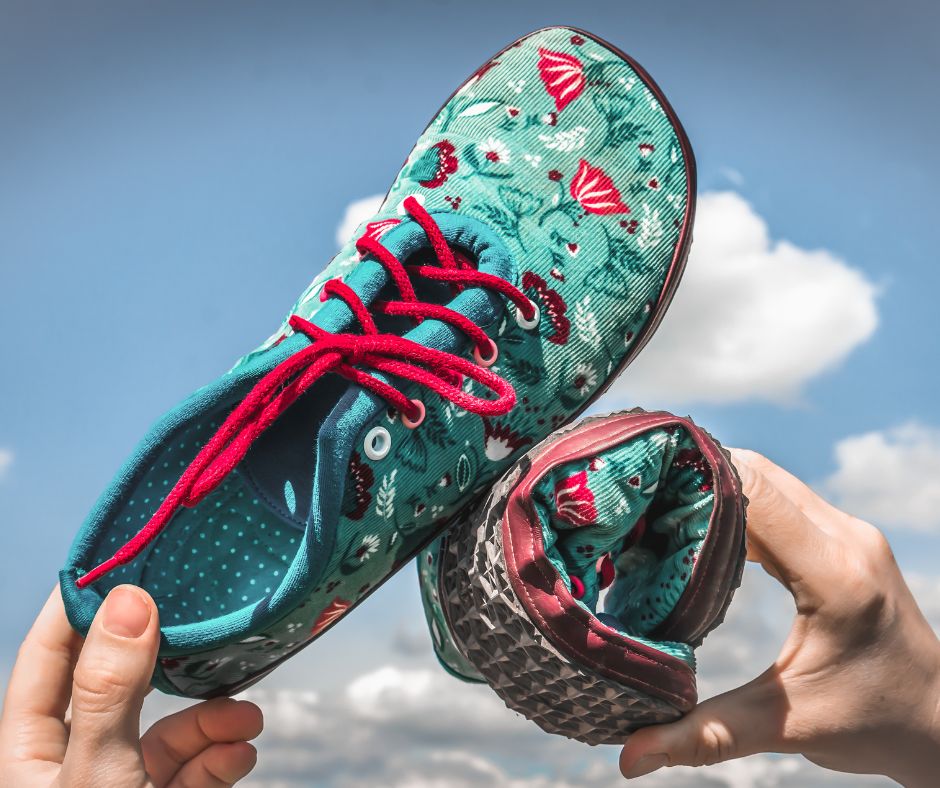
If you search for barefoot shoes online, you’re likely to be overwhelmed by the sheer number of options. One of the leading brands you’ll come across is Vivobarefoot (Vivo), which I’ve personally worn for years. They’ve always worked perfectly for me, and I’ve never felt the need to switch. I tend to put my shoes through a lot, but each pair has lasted around three years—and I’ve never been disappointed.
The main drawback with Vivo is the price. At £100–£200 per pair, they’re definitely at the higher end of most budgets. If you’re just curious and want to try barefoot shoes without committing to that cost, there are plenty of more affordable options out there—some for under £50. Most entry-level barefoot shoes are quite similar, with small differences in materials and durability. While premium models may last longer, that might not be a major concern if you’re just testing the waters.
Cushioning can vary slightly (typically only by 1–3mm), but the level of support will be the same across the board—none at all!
“Once you start wearing a barefoot shoe, there is no going back.”
So should I bother?
Yes! For me the benefits massively outweigh the risks. If you are just looking for shoes to walk around in, providing that you’re not suddenly out on Dartmoor hiking in them, the injury risk is relatively low. If you are looking to transition your running shoes into barefoot shoes, this is a little more complicated but certainly achievable, and again despite my injuries and frustrations with the 0mm drop and no stability, I would do it all over again, maybe with a little more patience. Once you start wearing a barefoot shoe, there is no going back.
If you’re interested in running in barefoot shoes, feel free to reach out and book a discovery call — I’d love to help you get started. There are a few exercises you should definitely be doing in those early days of wearing or transitioning into minimalist shoes. A flexibility and strength assessment to spot any weak links in the chain would also aim to reduce injury and make it a more pleasant transition. I will also help you out with your training programme. I learnt the hard way.
Book Your Appointment Today
Contact us at Motion Clinic to learn more or book your appointment. We’ll work with you to find the best solution to help you recover and get back to doing what you love.
June 5th, 2025. Bill Challis, Osteopath